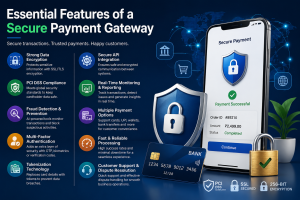
Modern payment gateways use technologies such as the following:
- AI-based fraud monitoring
- Real-time transaction tracking
- Suspicious activity alerts
- IP tracking
- Velocity checks
- Risk scoring systems
These features help identify unusual transaction behaviour and prevent fraudulent payments before they are completed.
Multi-Layer Authentication: The practice of multi-layer authentication acts as an additional layer of security during the transaction process. Instead of relying on the use of passwords, this technique requires the verification of identity through multiple methods, such as:
- One-Time Passwords (OTP)
- Biometric verification
- Email confirmation
- Authentication apps
Tokenisation Technology: It is also one of the important steps performed to secure online transactions. Here, the payment gateways replace sensitive information with unique tokens rather than storing actual card details. These tokens are of no use to hackers and cannot be used outside the payment system. Even if they get access to the stored data, the information is of no use without the original encryption keys.
Secure API Integration: Payment gateways can be accessed from multiple sources, including websites, mobile applications and e-commerce platforms. A reliable gateway is always empowered with a strong API integration for secure communication between systems.
Real-Time Monitoring and Reporting: Monitoring real-time transactions is important to identify any suspicious activity during transactions. Integration of detailed dashboards and reporting tools helps these gateways in monitoring transactions and identifying fraud attempts and failed payments.
Multiple Payment Options: A reliable payment gateway should support various payment methods, including the following:
- Credit and debit cards
- UPI payments
- Net banking
- Mobile wallets
- International payments
- Buy Now Pay Later (BNPL) services
Providing the facility of making payments through multiple options not only provides the facility to make payments through different channels but also ensures all transactions are performed securely on all platforms.
Fast and Reliable Transaction Processing: Customers have shifted to online transactions due to their quick execution. A secure payment gateway should allow customers to perform transactions at high speed with full accuracy and in a short time. Fast processing not only improves customer satisfaction but also helps businesses avoid cart abandonment and revenue loss.
Mobile-Friendly Security: Today, the use of mobile phones has become a necessity of time. A strong payment gateway should offer secure mobile payment experiences. For this, it is necessary that the gateway should facilitate encrypted transactions, secure authentication and compatibility with mobile apps and wallets.
Customer Support and Dispute Resolution: For a trusted payment gateway, it is essential to have a responsive customer support team that is capable of resolving any disputes without consuming much time. Instant rectification of problems helps businesses perform their operations smoothly. This enhances the confidence of customers in online transactions.
Conclusion: Choosing a secure payment gateway is essential for businesses that want to protect customer information and build long-term trust. Features such as encryption, PCI DSS compliance, fraud prevention tools, tokenisation, and multi-factor authentication help create a safe payment environment.
Consulting an expert fintech solutions-providing company can help you in developing a secured payment gateway for your e-commerce store.